
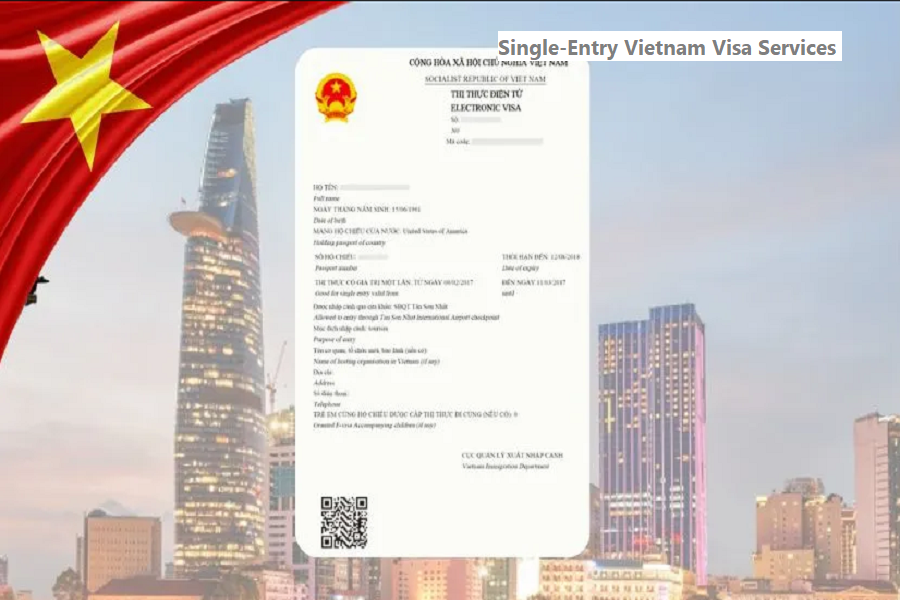
This comprehensive guide explores single-entry visas for Vietnam, covering essential information for travelers. A single-entry visa permits one-time entry into Vietnam and is crucial for tourists or business visitors planning a short stay. Learn about the application process, required documents, and tips for choosing a reliable visa service provider. Additionally, we address common challenges such as visa rejection, lost visas, and overstaying issues. Stay informed of the visa regulations and ensure a smooth travel experience with our helpful FAQs and insights. Perfect for anyone looking to visit Vietnam without the hassle of multiple entries, our guide serves as a practical resource for facilitating your travel plans.
Understanding Single-Entry Visas for Vietnam
A single-entry visa for Vietnam is a travel document that allows travelers to enter the country one time only. Upon entering Vietnam, the validity of the visa begins, and once visitors leave, the visa becomes invalid. This type of visa is particularly crucial for those planning a short stay in Vietnam without the intention of leaving and re-entering during their visit.
Single-entry visas are designed for specific types of travelers who may include tourists, business visitors, or individuals attending conferences within Vietnam. Their primary advantage is that they are typically easier to obtain and process compared to multi-entry visas, which allow for multiple entries over a specified period. For travelers who only need to visit Vietnam once and have no plans to return during that same trip, a single-entry visa is a perfect solution.
An important distinction of the single-entry visa lies in its regulatory framework. It generally carries stricter guidelines than a multi-entry visa for re-entries and may impose higher standards for travel planning. Any foreign traveler wishing to visit Vietnam will require the appropriate visa, unless they belong to the list of countries exempt from visa requirements. Furthermore, the duration of stay permitted by a single-entry visa can vary based on nationality and specific circumstances, but most are issued for short periods, typically ranging from 30 to 90 days.
In summary, the single-entry visa vietnam serves as a practical entry point for travelers with limited travel needs in Vietnam. Understanding its features, rules, and regulations is essential for anyone intending to visit this vibrant country. The process of obtaining this visa also involves ensuring that all application requirements are met, including valid documentation and adherence to prescribed regulations, which can vary by the applicant’s nationality.
Steps to Apply for a Single-Entry Vietnam Visa
Applying for a single-entry Vietnam visa involves a systematic approach to ensure compliance with the requirements set by the Vietnamese government. The first step is to gather the necessary documents, which typically include a valid passport with at least six months of validity remaining, a completed visa application form, and a recent passport-sized photograph. It is advisable to ensure that the application form is filled out completely and accurately, as any discrepancies may lead to delays in processing.
Once the required documents are ready, the next step is determining the method of submission. Applicants can choose to apply for the visa online or submit their application in person at the nearest Vietnamese embassy or consulate. Applying online can be more convenient, as it often allows for instant processing without the need for an in-person visit. However, for those who prefer face-to-face interactions or need assistance, visiting an embassy could be beneficial.
The application fee is another crucial aspect of the process, varying based on the applicant’s nationality and the type of visa requested. It is important to check the fee structure on the official embassy website or through a trusted visa service provider to avoid any misunderstandings. Following the submission of the application, applicants should expect a processing time that generally ranges from three to five business days, although this can vary based on specific circumstances or the chosen submission method.
To ensure a smooth experience, applicants are encouraged to apply for their visa vietnam online well in advance of their intended travel dates. Staying informed about the application timeline will help mitigate any potential travel disruptions.
Choosing the Right Visa Service Provider
When seeking a single-entry visa for Vietnam, selecting a reliable visa service provider is paramount. The decision can significantly impact your application experience and the likelihood of a successful outcome. Therefore, it is crucial to consider several key factors when vetting potential providers.
One of the essential considerations is the provider’s credibility. Look for companies with a proven track record in visa processing. Check their duration in service and any associations or partnerships with recognized agencies or organizations within Vietnam or travel networks. A company with positive affiliations tends to demonstrate reliability and trustworthiness.
Another factor to evaluate is customer reviews and testimonials. These unsolicited opinions provide invaluable insights into the experiences of previous clients. Platforms such as online booking sites, social media, or even the provider’s own website can host reviews that reveal common patterns—both positive and negative—about the service offered. Consistent positive feedback can indicate that the provider prioritizes customer satisfaction and operates effectively.
Moreover, customer service is a crucial aspect of the visa application process. You should find a provider with a responsive and knowledgeable support team. Their ability to answer questions and provide clarity regarding the application steps is vital, especially when navigating the complexities associated with visa requirements.
Lastly, it’s important to consider the costs involved. Compare the fees from several service providers, ensuring that you understand what is included in the price. A higher fee does not always guarantee better service; conversely, extremely low fees may suggest compromised quality. Finding a balance between affordability and quality service is crucial when choosing a visa service provider.
Engaging a visa service provider can outweigh the challenges of applying independently, as they often provide tailored advice and assistance that enhances the chances of a successful application.
See also this article: How Vietnam Visa Services Work Step-by-Step
Common Challenges and FAQs About Single-Entry Visas
Traveling to Vietnam often requires obtaining a single-entry visa, but applicants may encounter various challenges and uncertainties during the process. Awareness of these common issues and frequently asked questions can help facilitate a smoother experience.
One typical concern involves visa rejection. Visa applications can be denied for various reasons, such as incomplete documentation, inconsistencies in provided information, or failure to meet eligibility criteria. To avoid rejection, ensure all required documents are submitted and that all information is accurate. If your application is denied, carefully review the rejection notice, as it typically outlines the reasons for the decision. You may reapply after addressing the cited issues, or you can seek clarification from the consulate.
Lost visas are another complication that travelers face. If you lose your visa while in Vietnam, report the loss to the local police for documentation and obtain a police report. You will then need to contact your embassy or consulate for assistance in obtaining a replacement visa, as well as follow the procedures outlined by local immigration authorities.
Overstaying a single-entry visa is a significant concern since doing so can result in fines, deportation, or restrictions on future travel to Vietnam. It is crucial to track your visa expiration dates and plan your travels accordingly. If you find yourself in a position where you might overstay, seek extensions through the relevant immigration office before your visa expires to avoid complications.
Lastly, understanding visa regulations is essential. Visa rules may evolve, impacting the application process and requirements. Regularly consult official government websites or authorized agents for the most accurate and updated information. For any unique or specific questions, reaching out directly to your local diplomatic mission can provide further clarity.
Liên hệ đơn vị
VisaVietnamOnline
- Address: 1728 Big Canyon Trail, Carrollton, TX 75007, US
- Phone: +1(972)-666-0676
- WhatsApp:(+84)968 18 77 18
- Email: [email protected]
- Website: visavietnamonline.org
