
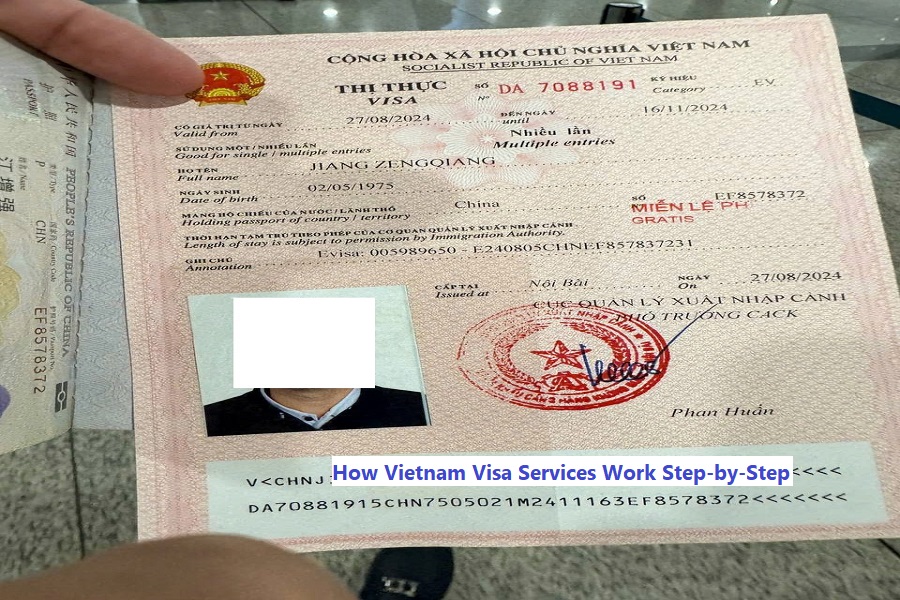
Planning a trip to Vietnam? Understanding Vietnam visa services is essential for a seamless experience. This guide explores various visa types including tourist, business, e-visa, and visa-on-arrival, detailing their eligibility requirements and application processes. Learn how to navigate the visa application with ease by following our step-by-step instructions, and discover key tips to ensure a smooth visa experience. Whether traveling for leisure or business, having the right visa is crucial for complying with Vietnam’s immigration regulations. Don’t let confusion over visas hinder your travel plans. Start your journey with confidence and make the most of your visit to Vietnam by utilizing expert tips and professional visa services.
Introduction to Vietnam Visa Services
Vietnam visa services are essential for travelers wishing to visit the country, as they facilitate the application process for the various types of visas required for entry. Depending on the purpose of travel, individuals can apply for different visa categories such as tourist, business, student, or transit visas. Each type serves a specific function. For instance, a tourist visa allows for leisure visits, while a business visa caters to individuals traveling for professional commitments.
Securing a visa prior to traveling to Vietnam is critical for compliance with the country’s immigration laws. Travelers who do not possess a valid visa upon entry may face delays, fines, or even denial of entry. Hence, understanding the requirements and the application process is vital for a smooth travel experience. Moreover, the implementation of Vietnam’s visa policies is a measure designed to monitor and control the flow of visitors, maintaining the safety and security of both tourists and locals.
Utilizing a visa vietnam service can significantly streamline the application process. Visa services provide expert support, ensuring that all documentation is correctly prepared and submitted, which can be particularly beneficial for complex applications. They often have up-to-date insights on the latest regulations, ensuring that applicants avoid common pitfalls that may lead to rejection. Additionally, visa services often offer expedited processing options, which can save valuable time for travelers with tight schedules.
In conclusion, understanding Vietnam visa services and the significance of obtaining the appropriate visa is crucial for every traveler. The process, while straightforward, can benefit greatly from professional assistance, ensuring compliance with visa requirements and enhancing the overall travel experience.
Types of Vietnam Visas and Eligibility Requirements
The landscape of Vietnam visas is diverse, catering to the varied needs of travelers—be it for tourism, business, or other purposes. Each type of visa has its own set of eligibility requirements and application procedures, which travelers must understand to ensure a smooth entry into Vietnam.
Firstly, the tourist visa is highly sought-after, particularly for those visiting for leisure. It typically ranges from one month to three months for single or multiple entries. To qualify for a tourist visa, applicants are generally required to provide a valid passport with at least six months of validity remaining, a completed application form, and a recent passport-sized photo. Furthermore, proof of travel arrangements, such as flight bookings and accommodation confirmations, may also be necessary.
Another option is the business visa, suitable for individuals traveling for professional purposes, like meetings, conferences, or collaborative projects. Business visas may be issued for varying durations, and applicants must present a letter from their sponsoring company or organization, along with their background details and itinerary. Typically, these visas are issued for periods of one month to one year, allowing multiple entries depending on the requirements.
The advent of technology has simplified the visa application process through the option of an e-visa. This electronic visa allows eligible travelers to apply online, receiving their visa by email. The e-visa is valid for 30 days and is accepted for single entry. To apply, one should have an online form completed, upload relevant documents, and pay the associated fee.
Lastly, the visa-on-arrival option is popular for those who prefer obtaining their visa upon landing in Vietnam. This option requires a pre-approval letter obtained prior to travel and is available mainly for travelers arriving by air. Upon arrival, travelers need to present their approval letter, a passport-sized photo, and payment.
Understanding these various types of visa vietnam online and their eligibility criteria enables travelers to choose the most suitable option for their visit, ensuring compliance with the country’s immigration policies.
Step-by-Step Process of Applying for a Vietnam Visa
The process of applying for a Vietnam visa may initially seem daunting, but by breaking it down into manageable steps, applicants can navigate it with ease. The first step is to determine the appropriate type of visa required for your trip. Vietnam offers various visa categories including tourist, business, and student visas, among others. Understanding the purpose of your visit will guide your selection.
Once the visa type is established, the next step involves gathering the necessary documentation. Commonly required documents include a valid passport with at least six months’ validity beyond your planned departure date, a completed visa application form, and a recent passport-sized photograph. Additionally, certain visas may require extra documentation, such as an invitation letter for business visas or proof of enrollment for student visas.
The subsequent step is deciding where to submit your application. Applicants may choose between applying online through the official government website or visiting a Vietnamese embassy or consulate in their home country. The online application process often provides convenience, allowing users to fill out forms and pay fees digitally. On the other hand, some may prefer to handle applications in person for an added layer of assurance.
Processing times can vary depending on the visa type and application method. Generally, applications submitted online may be processed quicker than those submitted via embassies. It is advisable to apply at least a few weeks ahead of your travel date to accommodate any unexpected delays. Applicants should also be aware of the associated fees, which can differ based on the visa type and processing speed chosen. Understanding these elements can streamline the visa acquisition process, ensuring a smooth start to your journey in Vietnam.
See also this article: Vietnam Visa Services for US Citizens
Tips for a Smooth Visa Application Experience
Applying for a visa to Vietnam can be a straightforward process if one takes the necessary precautions and adheres to best practices. Here are several tips to enhance your visa application experience and avoid common pitfalls.
Firstly, timing is critical. It is advisable to initiate your visa application at least 30 days prior to your intended travel date. This allows ample time for processing, which can take anywhere from three to seven working days, depending on the type of visa and the method of application. Ensure that you confirm the current processing times before submitting your documents.
Another essential practice is to check your visa’s validity. Vietnam offers various types of visas, each with specific validity periods. Review the duration of stay and the entry dates to prevent overstaying, which can lead to fines or future entry complications. Stay informed on the nuances of your chosen visa type and its expiry conditions.
Moreover, thoroughness in completing your application cannot be overstated. Double-check that all forms are filled out accurately and completely. Missing information or mistakes may lead to delays or even rejection. It is wise to keep copies of all submitted documents for your records.
If you encounter a visa rejection, do not be disheartened. It is possible to appeal the decision by addressing the concerns raised in the rejection notice. Gathering supporting documentation that clarifies your situation can significantly strengthen your appeal. There are also various online resources and official websites that provide assistance and guidance throughout the process.
In conclusion, by adhering to these tips, maintaining awareness of visa requirements, and seeking external assistance when necessary, applicants can facilitate a more efficient and less stressful visa application experience. Stay informed and proactive, and your transition to Vietnam can be seamless.
Liên hệ đơn vị
VisaVietnamOnline
- Address: 1728 Big Canyon Trail, Carrollton, TX 75007, US
- Phone: +1(972)-666-0676
- WhatsApp:(+84)968 18 77 18
- Email: [email protected]
- Website: visavietnamonline.org
