
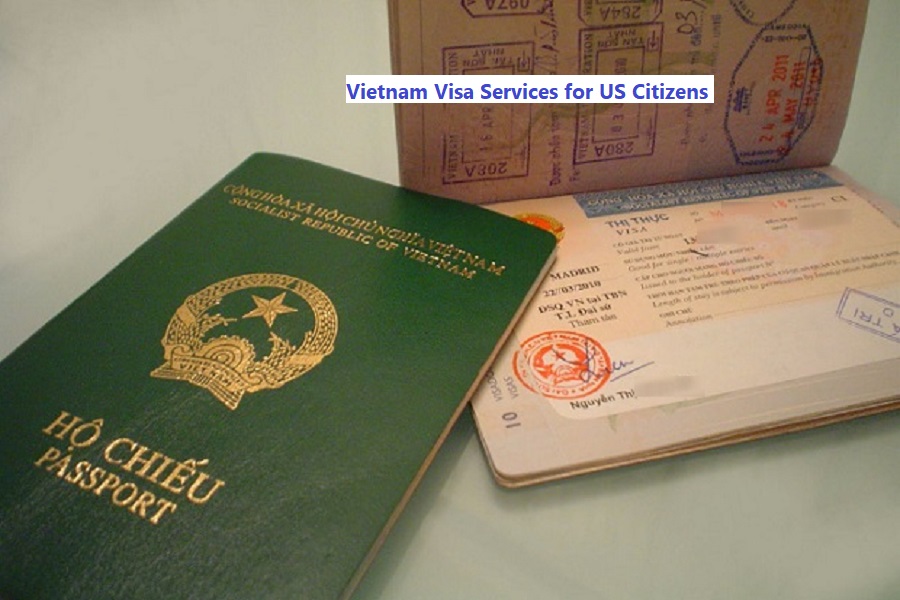
Planning to visit Vietnam as a US citizen? This comprehensive guide provides essential information on Vietnam visa requirements, including tourist, business, and transit visas. Learn about the different ways to obtain your visa—whether through an embassy, online e-visa services, or visa on arrival. Understand important documentation like passport validity and application forms, as well as tips for a successful application process. This guide also includes travel tips and answers to common questions regarding customs regulations and visa extensions. Ensure a hassle-free travel experience to Vietnam by staying informed and prepared for your journey!
Understanding Visa Requirements for US Citizens
When planning a trip to Vietnam, US citizens must familiarize themselves with the various visa requirements associated with their travel. The Vietnamese government offers several types of visas, tailored to the purpose of the visit, including tourist visas, business visas, and transit visas. Each visa type has its specific regulations, validity periods, and application processes, which are crucial for travelers to consider.
The most common visa for US tourists is the tourist visa, which permits stays of up to 30 days. This visa is generally valid for entry within 30 days from the date of issuance, and it can often be extended for additional days upon request. In contrast, a business visa is designed for individuals traveling for work-related purposes, allowing for longer stays and multiple entries into the country depending on the specifics of the visa vietnam issued.
Transit visas, meanwhile, are available for travelers who are stopping in Vietnam on their way to a different destination. These are typically valid for a shorter duration and allow for quick exits from the airport or a short stay in the country.
To successfully obtain any visa, US citizens must ensure they meet several documentation requirements. Primarily, travelers must present a passport that is valid for at least six months beyond the intended departure date from Vietnam. Furthermore, recent passport-sized photographs are required, as well as a completed visa application form. Depending on the visa type, additional documentation may include health certificates or proof of travel arrangements. It is also advisable to check for any recent travel advisories or health regulations that may influence entry into Vietnam.
Understanding these visa requirements is essential for US citizens to ensure a smooth travel experience to Vietnam and to avoid any complications upon arrival.
Different Types of Vietnam Visa Services
For US citizens planning to visit Vietnam, understanding the various visa services available is crucial for a smooth entry. There are three primary methods to obtain a visa: applying directly at the Vietnamese embassy, utilizing online e-visa services, and opting for visa on arrival. Each of these services comes with its own set of advantages and disadvantages that travelers need to consider.
The first option is to apply for a visa vietnam online directly at a Vietnamese embassy. This traditional method involves submitting the required documents in person or via mail. One of the key advantages of this approach is that it often provides travelers with a specific visa type catered to their needs. Applicants can also clarify any doubts with embassy staff directly, ensuring they have all necessary information. However, the process can be time-consuming, involving longer processing times and an added travel cost if the applicant needs to visit the embassy.
The second option, the online e-visa service, has gained popularity among travelers due to its convenient and user-friendly interface. US citizens can apply for a single-entry e-visa through the official Vietnamese government website. The application process is generally straightforward, and applicants typically receive their e-visa approval within a few working days. The downside, however, is that e-visas are only valid for 30 days, which may not suit travelers seeking longer stays.
Lastly, the visa on arrival option is available for those arriving by air. Travelers must pre-arrange an approval letter through an online agency and present it upon arrival in Vietnam. This option assures travelers of a visa upon entry, making it a flexible choice. However, it is essential to note that this option is not suitable for land or sea entry. Each of these Vietnam visa services carries its own processing times, costs, and application ease, so understanding these differences will guide US citizens in selecting the most suitable option for their travel needs.
Step-by-Step Guide to Applying for a Vietnam Visa
For US citizens planning a trip to Vietnam, obtaining a visa is an essential step. The application process can be handled in a few different ways, including online, through an agency, or directly at the Vietnamese embassy. Below is a detailed guide on how to navigate this process efficiently.
Firstly, to apply online, visit an official government-approved visa website. Select the appropriate visa type based on your travel needs, such as tourist or business visa. Fill in the online application form carefully, making sure that all information matches your passport. Common mistakes include typographical errors or mismatching names, which can delay processing. After completing the form, pay the required visa fee using a credit or debit card. Keep a copy of the payment confirmation for your records.
If you prefer applying through an agency, choose a reputable visa service that specializes in Vietnam visas for US citizens. The agency will guide you through the application form, ensure all documents are handled correctly, and manage the submission on your behalf. This option may also provide additional convenience, such as expedited processing.
For those who opt to apply at the Vietnamese embassy, the first step is to collect all necessary documents, including your passport, a completed application form, and passport-sized photographs. Visit the embassy’s official website to find specific instructions on submission and payment methods. Typically, you will either submit your application in person or via post.
Regardless of the application method chosen, be aware of processing times, which can vary from a few days to several weeks. To avoid complications, submit your application well before your intended travel date. Avoid common pitfalls, such as not double-checking the required documents and failing to adhere to processing timeframes, which may result in delays.
See also this article: Reliable Vietnam visa application service for Japanese citizens.
Travel Tips and Frequently Asked Questions about Vietnam Visa
When planning a trip to Vietnam, it is essential for US citizens to familiarize themselves with visa requirements, customs regulations, and travel tips to ensure a seamless entry into the country. First and foremost, US travelers should ensure that their passport is valid for at least six months beyond their intended departure date from Vietnam. It is advisable to carry both hard copies and digital copies of essential documents, including your visa approval letter and travel insurance information.
Regarding customs regulations, travelers entering Vietnam must declare any items that exceed the national duty-free allowance. Additionally, it is important to be aware of the restrictions on items such as certain agricultural products and medications. Currency regulations also apply; you can bring local currency and foreign currency into Vietnam, but amounts exceeding 5,000,000 VND or equivalent must be declared to avoid complications.
As for visa extensions, many US citizens inquire about the procedures if they wish to extend their stay in Vietnam. Typically, visa extensions can be applied for through the immigration office in Vietnam or through authorized travel agencies. It is crucial to begin this process well before your visa expiry date to avoid overstaying your visa, which can lead to fines or restrictions on future travel.
In terms of multiple entries, US citizens holding a multiple-entry visa can freely exit and re-enter Vietnam. However, when planning to re-enter, ensure that your visa is still valid. If you are returning from a neighboring country, it is wise to double-check any changes in regulations or restrictions that could affect your seamless re-entries.
By staying informed about visa regulations and customs practices, US travelers can navigate the process more efficiently and enjoy their visits to Vietnam with peace of mind.
Liên hệ đơn vị
VisaVietnamOnline
- Address: 1728 Big Canyon Trail, Carrollton, TX 75007, US
- Phone: +1(972)-666-0676
- WhatsApp:(+84)968 18 77 18
- Email: [email protected]
- Website: visavietnamonline.org
